Tips & how-to · Cleaning & hygiene
How Often Should You Clean Dog Toys? A Material-by-Material Guide
How to wash rubber, rope, plush and squeaky dog toys, when to clean them, how to dry them fully and when to replace damaged toys.

A toy can look clean on the shelf yet still carry yesterday's saliva, garden dirt and food crumbs. The goal is not to disinfect everything after every game. Clean toys often enough to prevent buildup, and inspect them for damage every time you use them.
How frequently should dog toys be washed?
There is no single evidence-based washing timetable for all dogs. A useful starting routine is to inspect toys daily, wash frequently used food-contact toys after use, and clean regularly used chew or fetch toys at least weekly or sooner when dirty. Toys shared among several dogs, dragged outdoors, or used during illness need closer attention.
A practical rule: if a toy smells unpleasant, feels sticky, shows visible dirt or stays damp inside, take it out of rotation immediately.
Rubber and hard plastic toys
For a washable, non-electronic rubber toy, remove loose debris, then scrub grooves with warm water and mild dish soap. A small soft brush reaches the corners of treat-dispensing puzzles. Rinse very thoroughly. Check the manufacturer's instructions before using a dishwasher: high heat can warp plastic, adhesives or rubber.
Food-stuffable toys can accumulate residue in narrow chambers. Hold the toy toward a light and check that no food remains. Dry with the opening facing down where air can circulate. Never leave wet food trapped inside an enclosed toy.
Plush toys and fabric squeakers
Check the care label first. Wash machine-safe fabric toys on a gentle cycle, ideally inside a laundry bag, with a mild detergent. Use a separate hand wash for fragile seams and electronic or delicate squeakers that cannot tolerate soaking. Avoid strong scents and fabric softener.
Squeeze carefully to check for retained water, then let the toy dry completely through the center. A plush toy that is dry on the outside may still have damp stuffing. If you cannot fully dry it, replace it rather than repeatedly returning it to the dog.
Rope toys require extra attention

Rope fibers hold saliva and food particles. Rinse and wash only according to the maker's instructions, then spread out to dry thoroughly. Do not assume all ropes are safe to boil or microwave; heat and steam can damage synthetic fibers, glued elements and colored materials. A frayed rope with loose strings is a swallowing risk, not a DIY repair opportunity.
After tug games, look closely at the ends. Discard toys shedding long strands even if your dog still loves them.
What about squeaky and electronic toys?
Unless the label explicitly allows immersion, wipe the outside with a damp cloth and mild soap, and dry the surface. Water entering a squeaker chamber can be hard to remove. Toys containing batteries must not be soaked. Check battery compartments for looseness or cracks before play.
A five-minute weekly toy audit

- Sort toys by washable, wipe-clean and replace now.
- Remove cracked rubber, exposed stuffing, detached eyes, loose squeakers and frayed rope.
- Wash by material and follow the care label rather than a viral cleaning hack.
- Let everything dry completely before storing.
- Rotate a few favorites instead of leaving a damp pile in one basket.
When cleaning is not enough

A chewed-off piece, broken squeaker or exposed battery is a hazard even on a spotless toy. Choose toys appropriate to the dog's size, chew strength and play style; supervise new toys until you understand how they fail. If your dog swallows part of a toy, call a veterinarian instead of attempting home treatment.
If you want help buying sturdier toys, read our dog toy safety checklist.
Can I use bleach to clean dog toys?
Only follow manufacturer-approved dilution and rinsing directions for a specific material. For routine home care, thorough washing with mild soap and water is the simpler choice; avoid improvised chemical mixes.
Is a dishwasher always hygienic?
It can be effective for items specifically marked dishwasher-safe, but it can also deform unsuitable plastics. Consult the toy's own instructions.
Should I wash brand-new toys?
Inspect and wash when the care label allows, particularly if the toy has dust or packaging residue.
Pet toys and feeding accessories
- Browse available pet toys and scratching accessories — check sizes, construction and current availability before ordering.
Further reading and safety guidance
Comments
No comments yet. Be the first to contribute.
Related stories
Pet care information is general guidance. Contact a veterinarian for health concerns.
Tips & how-to · Cleaning & hygiene
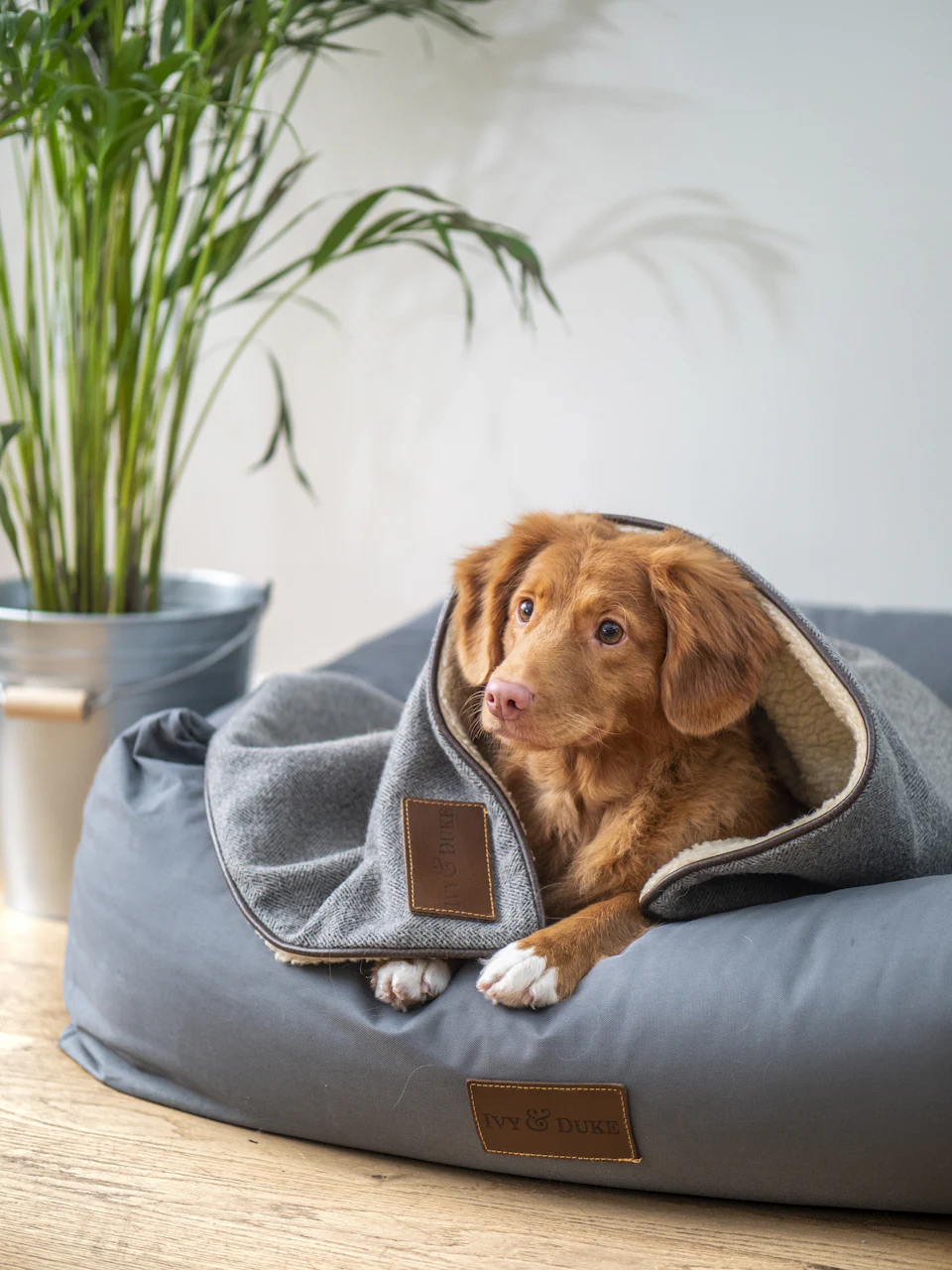
How to Wash Dog Beds and Pet Blankets Without Ruining Them
A practical guide to cleaning removable dog-bed covers and pet blankets, removing loose fur and drying bedding safely.
Read story →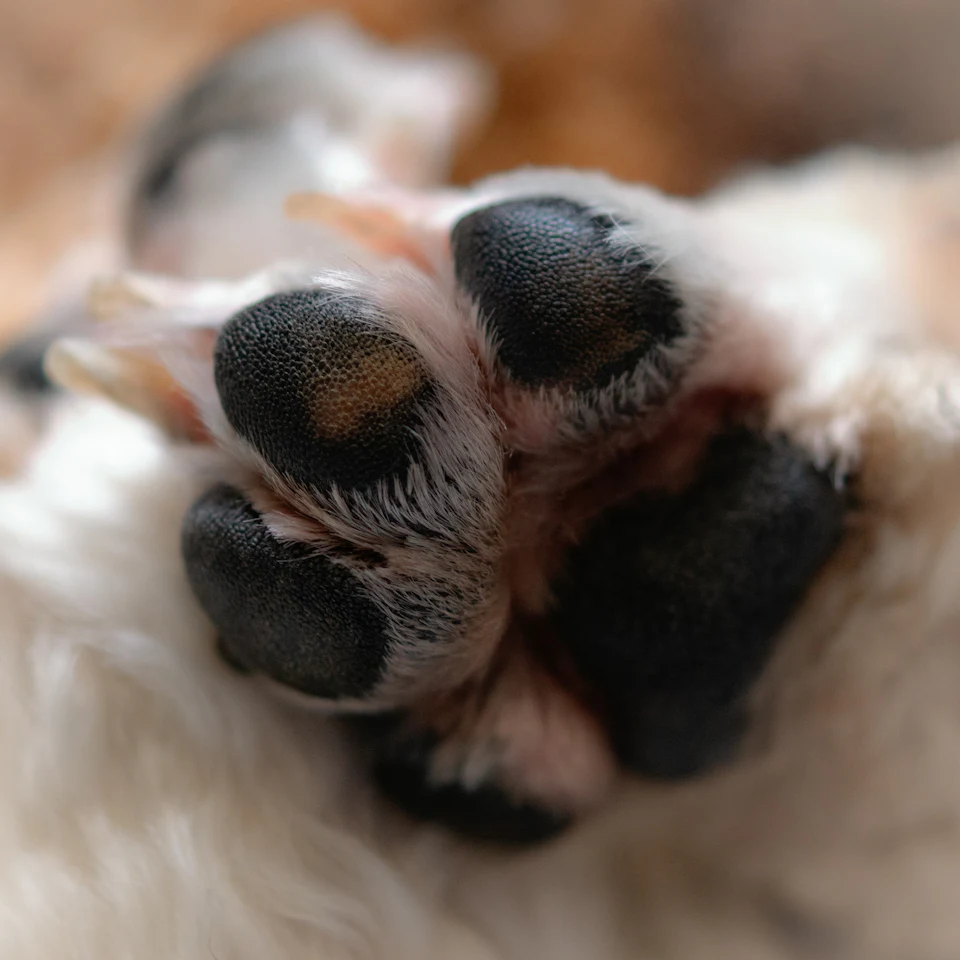
Tips & how-to · Cleaning & hygiene
How to Clean Your Dog's Paws After a Muddy Walk
A gentle routine for muddy dog paws: what to wipe, when to rinse, how to dry between toes and when to seek veterinary advice.
Read story →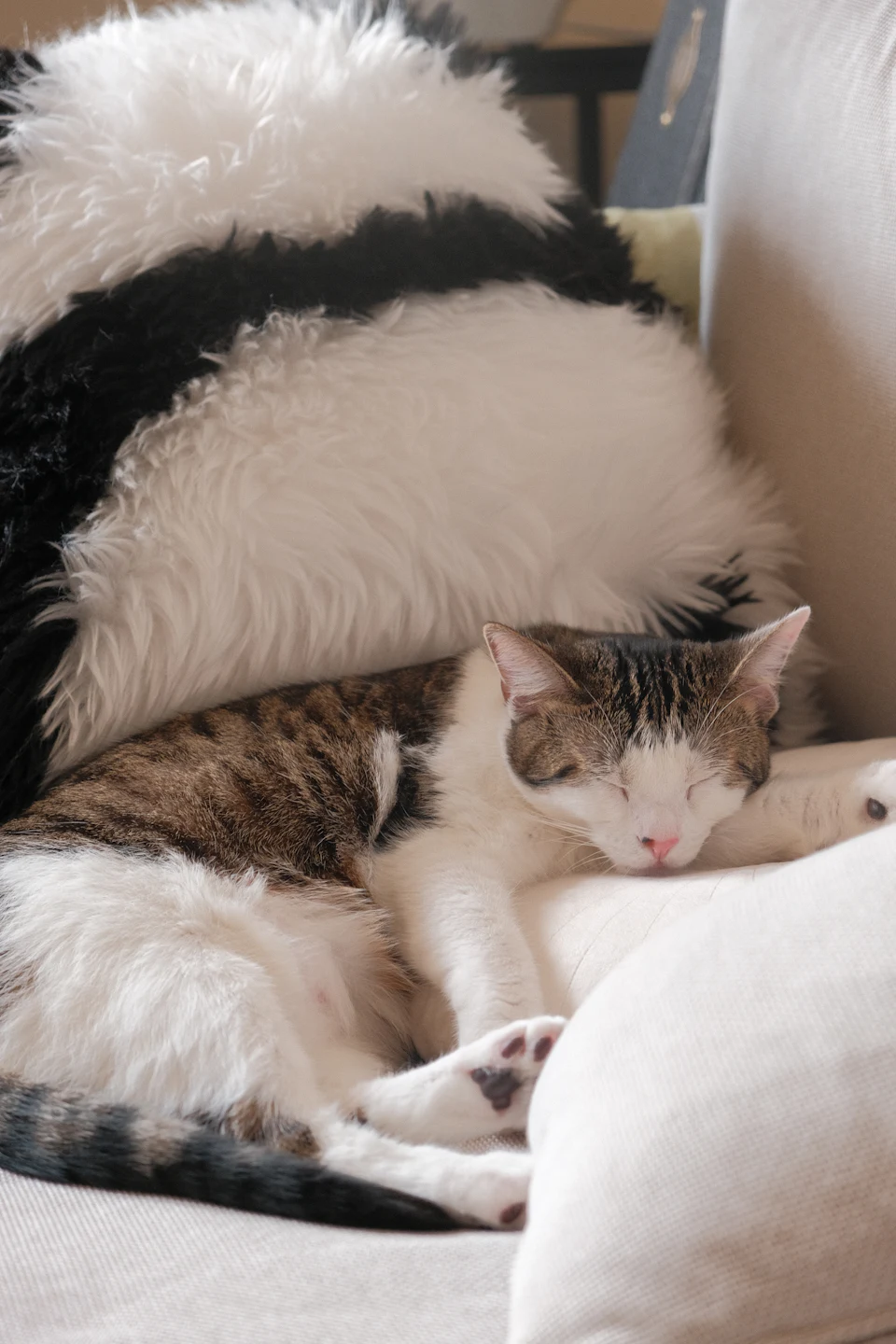
Tips & how-to · Cleaning & hygiene
How to Remove Pet Hair from Sofas and Clothes
A practical guide to cleaning pet hair from upholstery and clothing without damaging delicate fabrics or buying gadgets you don't need.
Read story →