Buying guides · Cat care
How to Choose a Cat Carrier and Help Your Cat Get Used to It
Choose a secure, comfortable cat carrier with the right size, doors and ventilation, then follow gentle steps to make vet trips less stressful.

The cat carrier comes out of the cupboard. Your cat disappears under the bed. Twenty minutes later, the vet appointment is already going wrong.
A better carrier can help, but getting your cat comfortable with it before travel matters just as much as buying the right box. Here's how to choose one you can actually use—and make it less intimidating for your cat.
What makes a good cat carrier?
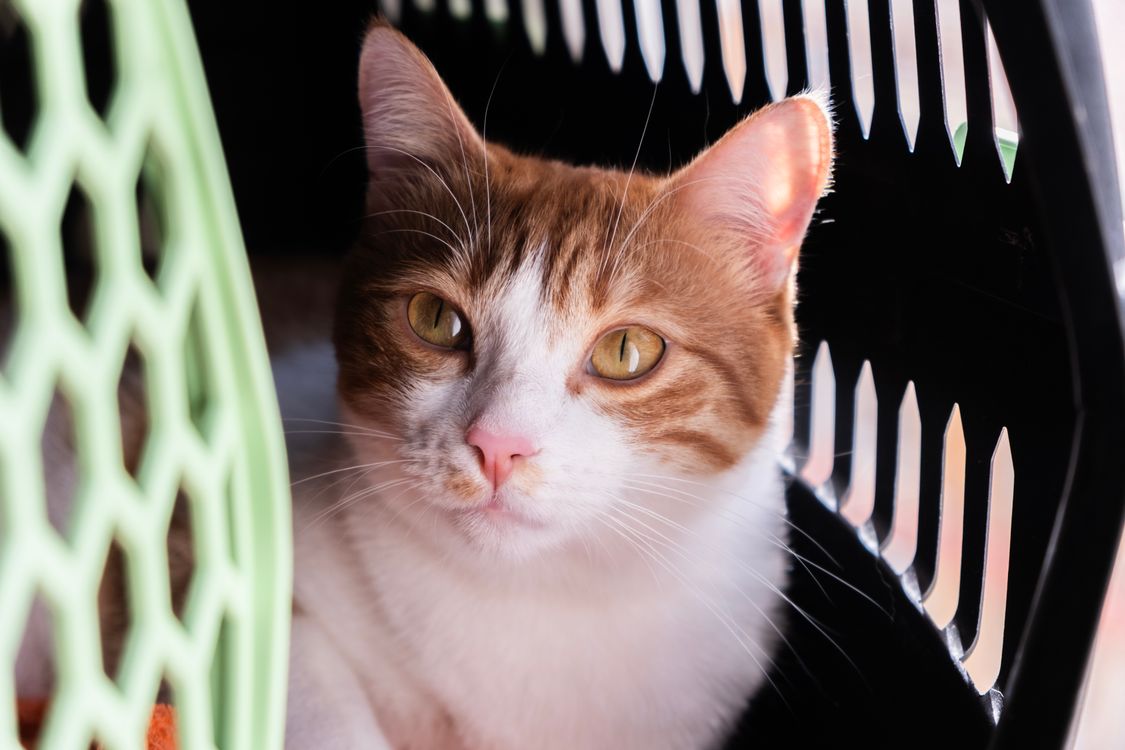
Look beyond the design. For an ordinary vet visit or short journey, the important features are:
- A secure door and fastening system. Check that every clip, latch and hinge closes fully. Handles should feel solid when you lift the empty carrier.
- Enough room to change position. Your cat should be able to stand, turn around and lie down naturally. A carrier that is excessively large may feel unstable during transport.
- Ventilation on more than one side. Fresh airflow matters, especially in warm conditions.
- Easy cleaning. A removable top or accessible interior makes it simpler to clean after an accident.
- A stable base. The floor should support your cat without sagging or wobbling.
For many cats, a rigid carrier with a top-opening option or removable lid is practical. A front door can make voluntary carrier training easier, while a removable top can make some veterinary examinations less stressful.
Hard-sided or soft-sided?
A hard-sided carrier is generally easier to clean and keeps its shape. It may be a good everyday choice for car travel and veterinary appointments.
A soft-sided carrier can be lighter, but examine its frame, seams, ventilation, zip closures and how well the base supports your cat. A soft bag is not automatically safer or more comfortable because it looks cozy.
Backpack-style carriers may be convenient for people, yet can restrict your cat's movement or feel unstable. Choose based on the animal's ability to reposition—not the appearance of the product.
How do you pick the right size?
Measure your cat's approximate length and height while standing, then compare those numbers with the carrier's internal dimensions, not just its exterior measurements. Allow comfortable space for turning around and settling on a thin towel.
If you are deciding between two models, consider their interior shape as well as the measurements. A rounded roof, large inner lip or thick padding can eat into usable space.
Do not choose a carrier based only on a weight rating. Two cats weighing the same may have very different body lengths.

Photo: Oles Borys / Unsplash.
Get your cat used to the carrier before a trip

Carrier training works best as a gradual series of positive experiences. Don't try to finish all these steps in a single afternoon.
- Leave it out. Put the open carrier in a quiet place your cat already likes. Let your cat investigate without pressure.
- Add a familiar smell. Place a comfortable towel or bedding inside. If your cat hesitates, begin with the towel near the entrance.
- Reward curiosity. Offer a treat or part of a meal near the carrier, then just inside it, if your cat feels relaxed.
- Practice short stays. Let your cat walk in and out freely. Only when that is easy should you briefly close and reopen the door.
- Add gentle movement. When your cat is calm inside with the door secured, practice lifting the carrier a short distance and setting it back down.
If your cat freezes, tries to escape or stops accepting treats, go back to an easier step. Forcing progress often makes the next attempt harder.
Small habit, big difference: keep the carrier accessible between appointments when possible. It should not appear only on days something unpleasant is about to happen.
Before you leave for the veterinarian

Photo: Anastasiia Smykodub / Unsplash.
Check the latches and handle. Place a washable, absorbent layer inside. Secure the carrier so it cannot slide or tip during a car journey. Keep airflow clear; a lightweight familiar towel over part of the carrier may help some cats, but it must not block ventilation or cause overheating.
Never let a cat roam loose inside a moving car. Do not leave a cat unattended in a parked vehicle. If your cat becomes severely distressed or has a history of transport problems, ask your veterinarian for a travel plan rather than using human sedatives or unapproved calming products.
Common cat carrier mistakes
Buying from exterior dimensions alone. Check usable interior room.
Picking the prettiest bag. Secure closures, airflow and stability matter more than styling.
Waiting until appointment day to introduce it. Short, calm practice sessions are more useful than a last-minute struggle.
Carrying two cats together. Use separate carriers unless a qualified professional advises otherwise for your situation.
Ignoring cleaning instructions. Residual odors can make an already nervous cat reluctant to go in again.
Related products
- Browse available pet travel accessories — check sizes, construction and current availability before ordering.
Quick answers
Is a top-opening carrier better for cats?
It can be easier to place a cat inside gently and may help during some examinations. A front door and removable top offer additional flexibility, but secure construction remains the priority.
Should I put food in the carrier?
Treats or small portions of regular food can help build positive associations during training. Remove leftover food and keep the carrier clean.
Why does my cat suddenly hate the carrier?
A stressful journey, a change in smell or a previous negative experience may contribute. Start again with easier exposure. If the reaction is sudden, intense or accompanied by changes in health or behavior, speak to a veterinarian.
A simple buying checklist
Before purchasing, confirm the internal dimensions, door and lid security, ventilation, floor stability and cleaning method. Read the manufacturer's instructions and check whether replacement parts are available.
If you're setting up a complete cat-care space, our litter box placement and tracking guide covers another small change that makes everyday life easier.
Further reading and safety guidance
Comments
No comments yet. Be the first to contribute.
Related stories
Pet care information is general guidance. Contact a veterinarian for health concerns.

Care guides · Cat care
Why Is My Cat Water Fountain Slimy? Clean the Pump & Filter
Why does a cat fountain feel slimy? Learn how biofilm forms, safe pump and filter maintenance, cleaning schedules and ways to reduce buildup.
Read story →
Care guides · Cat care
How to Cat-Proof a Christmas Tree in a Small Apartment
A small-apartment Christmas tree safety plan for cats: stop tipping, protect cords, remove dangerous ornaments and create safer play alternatives.
Read story →
Care guides · Cat care
Why Does My Cat's Litter Box Still Smell After Cleaning?
Litter box still smells after scooping or washing? Find the source in the litter, tray, mat or floor with a practical cat-safe cleaning checklist.
Read story →